Blog
Notes on plant territories, silos and stockpiles.
 Field notes: the plant that showed up on nobody's call list for six years
A territory review turns up a plant with a new silo and a bigger stockpile pad that nobody on the team had called since 2020.
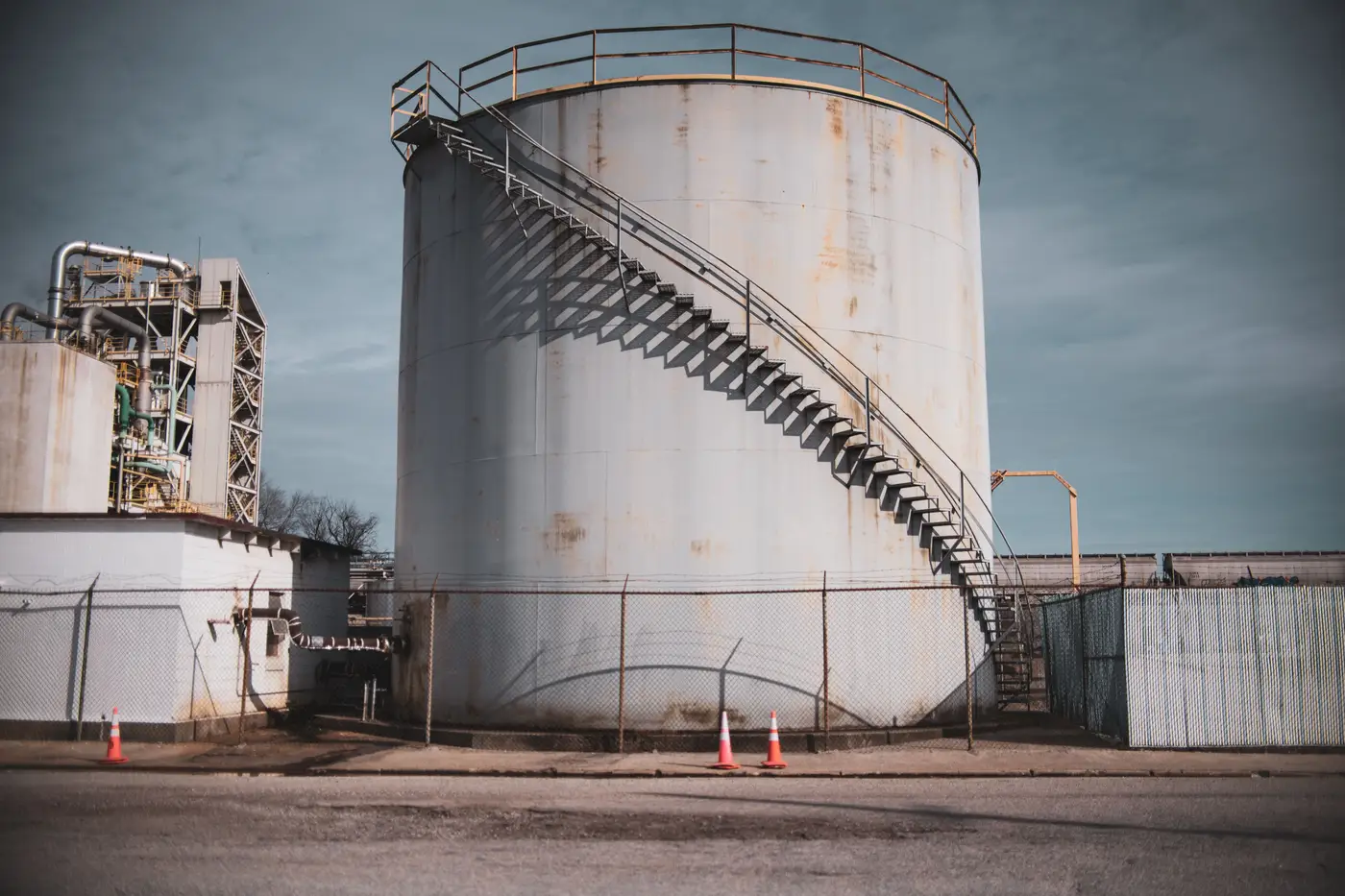 What is a liquid asphalt tank, and why does its count signal plant capacity?
AC tanks store the binder, not the mix. Here's what a liquid asphalt tank is and how its count points to a plant's real production capacity.
 Continuous mix vs. batch mix asphalt plants: how to tell them apart in overhead imagery
How to spot a continuous mix drum plant versus a pugmill batch plant from satellite or aerial imagery, by tower shape, silo count, and stockpile layout.
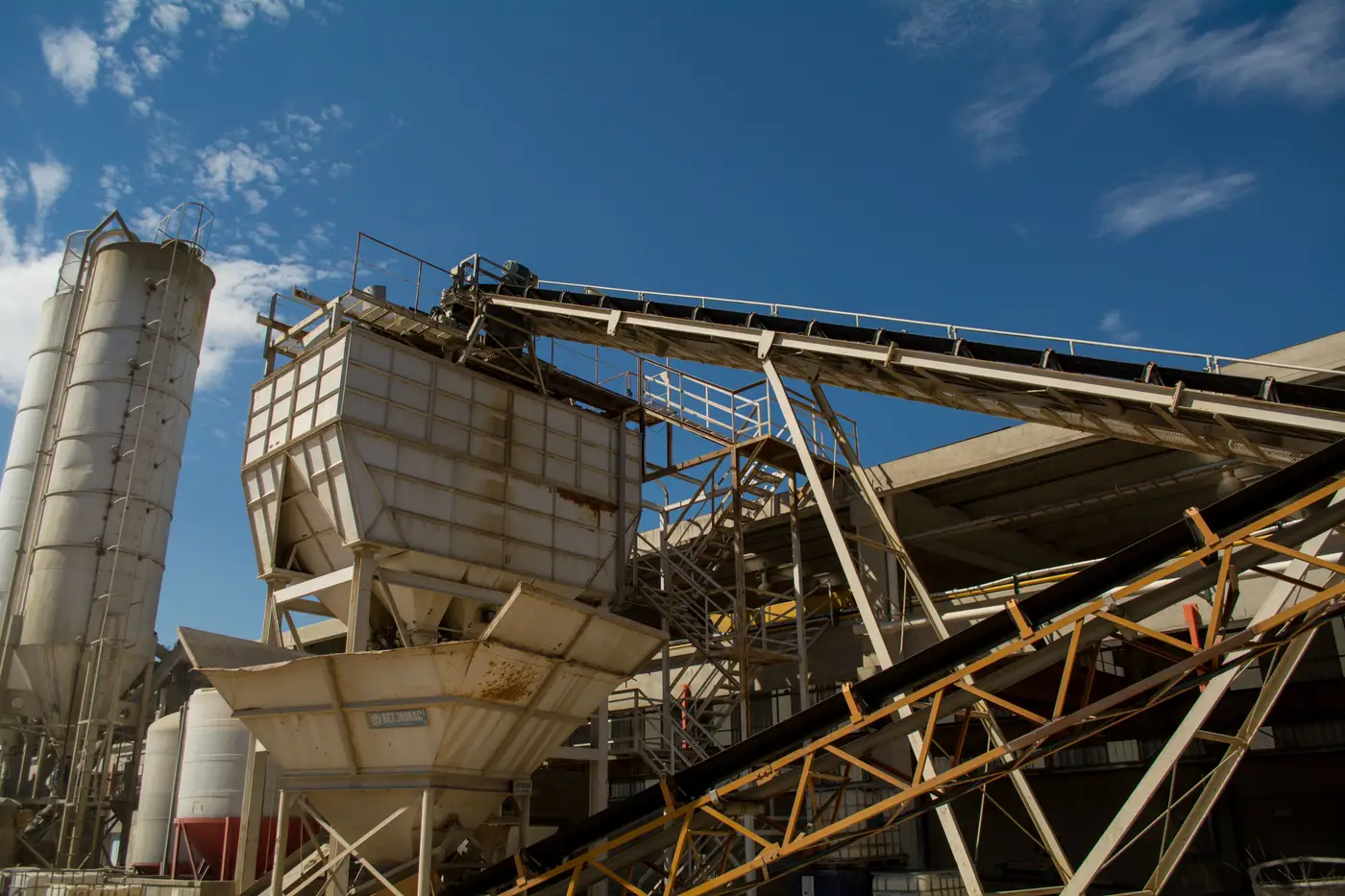 What is a cold feed bin, and why it matters for asphalt plant capacity
Cold feed bins set the ceiling on how much aggregate a plant can meter per hour. Here's how bin count and configuration signal plant capacity.
 Field notes: the plant that grew a fourth silo and nobody at corporate noticed
A recurring pattern in territory tracking: a plant adds a silo, swaps a stockpile layout, and the OEM finds out a year late, if at all.
 How many silos does a typical hot-mix plant run?
Silo count varies by plant type and tonnage. Here's the range you'll see, and what it signals about capacity and replacement need.
- How old is too old for an asphalt plant before it needs replacing?
There's no fixed age limit on asphalt plants. What drives a replacement decision, and why silo and stockpile size matter more than build date.
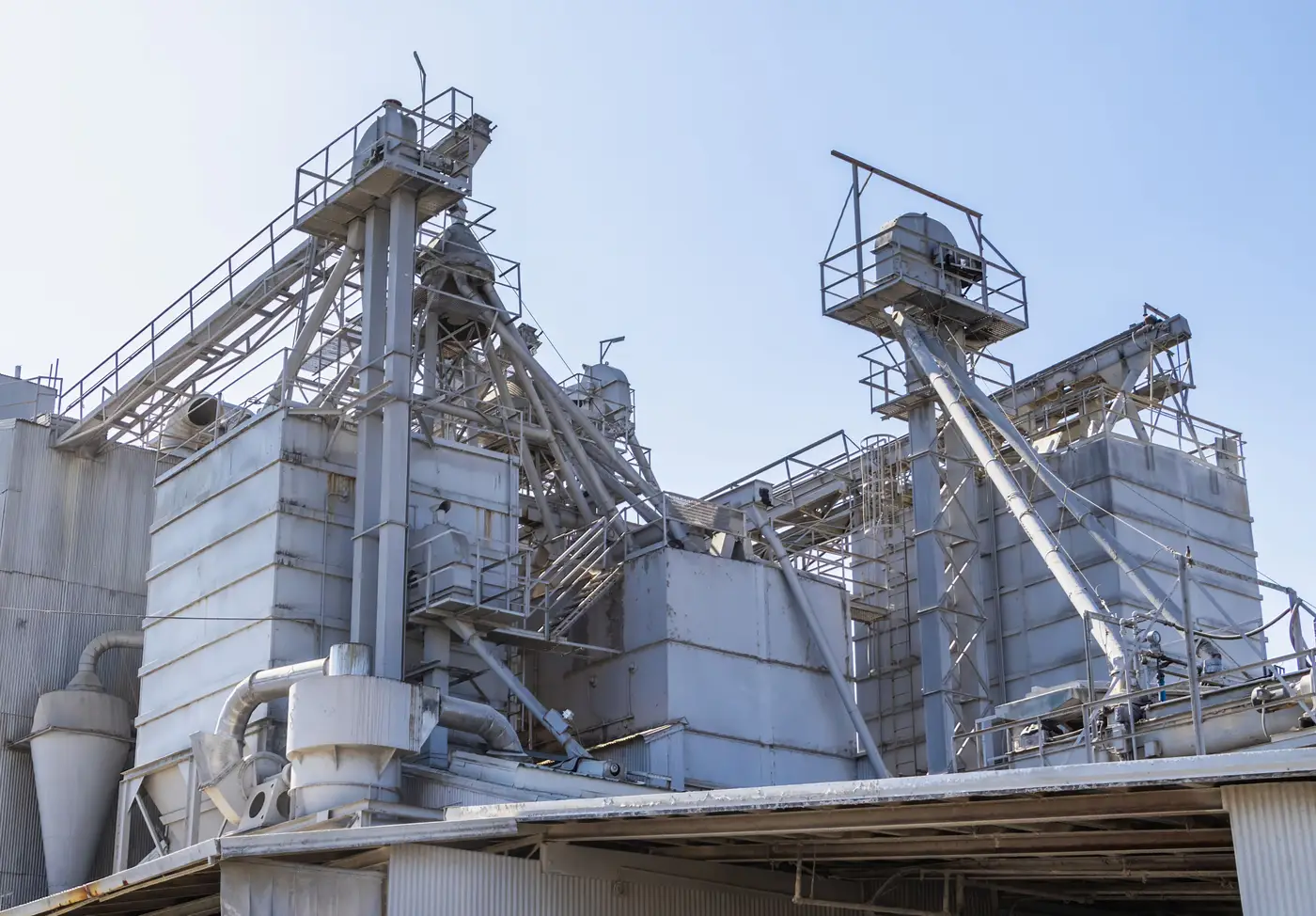 What a drag slat conveyor is, and why it matters for asphalt plant capacity
What a drag slat conveyor does at an asphalt plant, and why silo changes are the visible stand-in for conveyor upgrades you can't see from the air.
- Field notes: a week counting silos along the I-81 aggregates corridor
A week spent driving I-81 and counting silos by eye shows why territory mapping by truck windshield is a bad way to track plant capacity.
- Counterflow vs. parallel-flow drum plants: what shows up overhead
How to spot a counterflow drum mix plant versus a parallel-flow drum plant in overhead imagery, and where satellite resolution stops helping.
- Asphalt plant vs. concrete batch plant: telling them apart from above
How to read silo count, mixer shape, stockpile staining and truck type in aerial or satellite imagery to separate hot-mix plants from ready-mix plants.
- Surge silo vs. storage silo: what the difference tells you about plant capacity
Surge silo vs storage silo explained, and why silo configuration is one of the fastest ways to read asphalt plant capacity from a distance.
- RAP bin vs virgin aggregate bin: telling them apart in satellite imagery
How to tell RAP bins from virgin aggregate bins in satellite imagery: color, cover structures, and conveyor layout cues that separate them.
- What is a baghouse, and why it caps asphalt plant capacity
What a baghouse does, how its airflow rating sizes dust collection capacity, and why it quietly sets the ceiling on an asphalt plant's tons-per-hour.
- Batch plant vs. drum plant: what you can actually see from overhead
How to tell a batch mix tower from a parallel flow drum plant using nothing but an aerial or satellite image, and why it matters for capacity calls.
- How to estimate asphalt plant capacity from stockpile size
A field method for turning aggregate stockpile footprint and volume into a tons-per-hour proxy for asphalt plant capacity.
- Portable vs. stationary asphalt plants: what satellite imagery shows
How to spot the difference between portable, relocatable, and stationary asphalt plants in satellite imagery by pad, silo count, and stockpile layout.
- Silo vs. hopper: what you're counting at an asphalt plant
Silo, hopper, surge bin, cold feed bin: what each one is on an asphalt plant and why only the silo count tracks finished-mix capacity.