Counterflow vs. parallel-flow drum plants: what shows up overhead
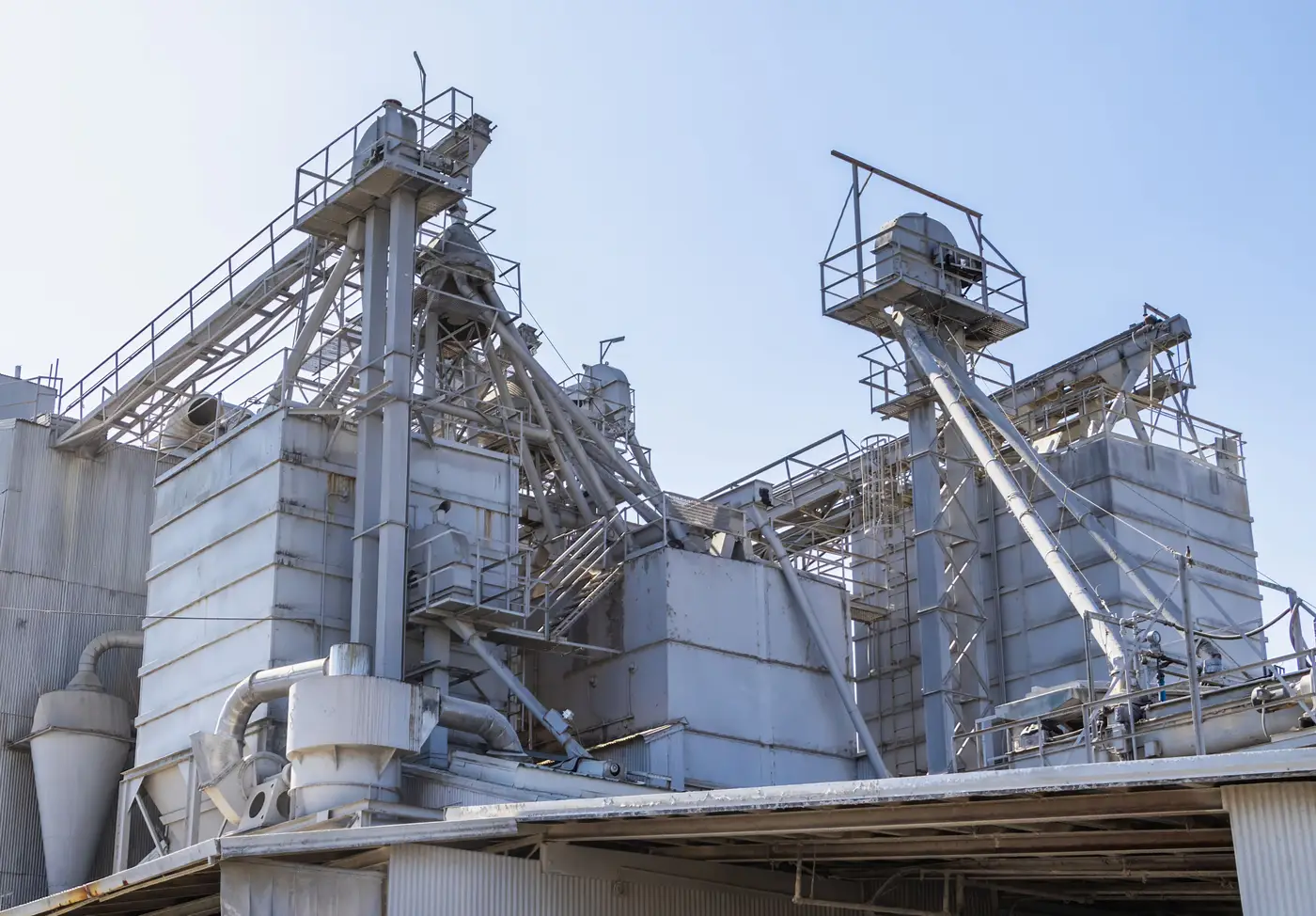
If you're scoring a territory and trying to figure out which plants are running old iron, the drum type is usually the first thing you want to know. A parallel-flow drum mix plant and a counterflow drum mix plant do the same basic job, but the counterflow design lets a plant run higher RAP percentages and hit tighter emissions numbers, which is exactly the kind of thing that correlates with a plant being either recently upgraded or next in line for one. So the question comes up a lot: can you actually tell the two apart from an aerial or satellite image, without walking the yard?
Mostly, not with certainty. But there are a few tells worth knowing, and knowing where they stop being reliable is just as useful as knowing them.
What separates the two configurations on the ground
In a parallel-flow drum, the burner fires into the same end of the drum where aggregate is fed in, so the flame and the material travel the same direction. Virgin aggregate dries and coats with liquid AC in one continuous zone, which is simpler mechanically but means everything in the drum sees direct flame exposure, including any RAP blended in.
A counterflow drum mix plant flips that. Aggregate enters at one end, the burner fires from the other, and the material moves against the gas flow through the drying zone before passing into a separate mixing zone, usually a slightly stepped-down section near the discharge end, where it never sees open flame. That's what lets counterflow plants run RAP percentages that would scorch the asphalt binder in a straight parallel-flow setup, and it's why RAP is introduced through a collar partway down the drum rather than dumped in with the virgin feed at one end.
What actually shows up in overhead imagery, and what doesn't
The one structural detail that sometimes reads from very high resolution imagery is that side-entry RAP collar on a counterflow drum. If you can make out a conveyor or chute meeting the drum mid-length rather than feeding straight into one end, that's a counterflow signature. A single feed stack running into the burner end, with no mid-drum chute, points toward parallel-flow.
The mixing-chamber step at the discharge end of a counterflow drum is real and visible in person, but it's a small diameter change on a horizontal cylinder, and at nadir, straight down, with no oblique angle or shadow to catch that step, it mostly disappears. Baghouse position and ductwork routing shift depending on which end the exhaust is pulled from, but plants get rebuilt and re-ducted enough over the decades that duct runs alone aren't a safe tell either.
At 0.5 m ground sample distance, straight overhead, you're reading a drum as a cylinder with conveyors coming off it. Its internal flow path stays hidden. A trained eye who's walked a hundred plants might get a confident call on some sites from feed-conveyor geometry alone. Pulling that same call reliably across a whole state's worth of plants from satellite passes isn't something imagery resolution supports today, and we'd rather tell you that than sell you a drum-type field that's wrong half the time.
What's worth tracking instead when you're scoring a list
If the goal is finding plants that are overdue for a capacity upgrade, the drum type is really a proxy for something else: how old the iron is, and whether the plant's throughput matches its current silo and stockpile setup. That part does show up clearly in overhead imagery year over year. A plant that's added a second silo, widened its RAP stockpile footprint, or built out a new hopper row is telling you something about capacity and investment regardless of what's happening inside the drum.
Asphalt Plant Mapping tracks exactly that layer, a mapped list of plants across a territory with silo and hopper counts, stockpile footprint, and a note on what changed between annual passes. It won't tell you counterflow or parallel-flow. It will tell you which plants in your territory grew, which stayed flat, and which ones look like they haven't touched their yard in a decade, which is usually the better lead anyway.
If you're building that territory list, give the current plant map a look.