What a drag slat conveyor is, and why it matters for asphalt plant capacity
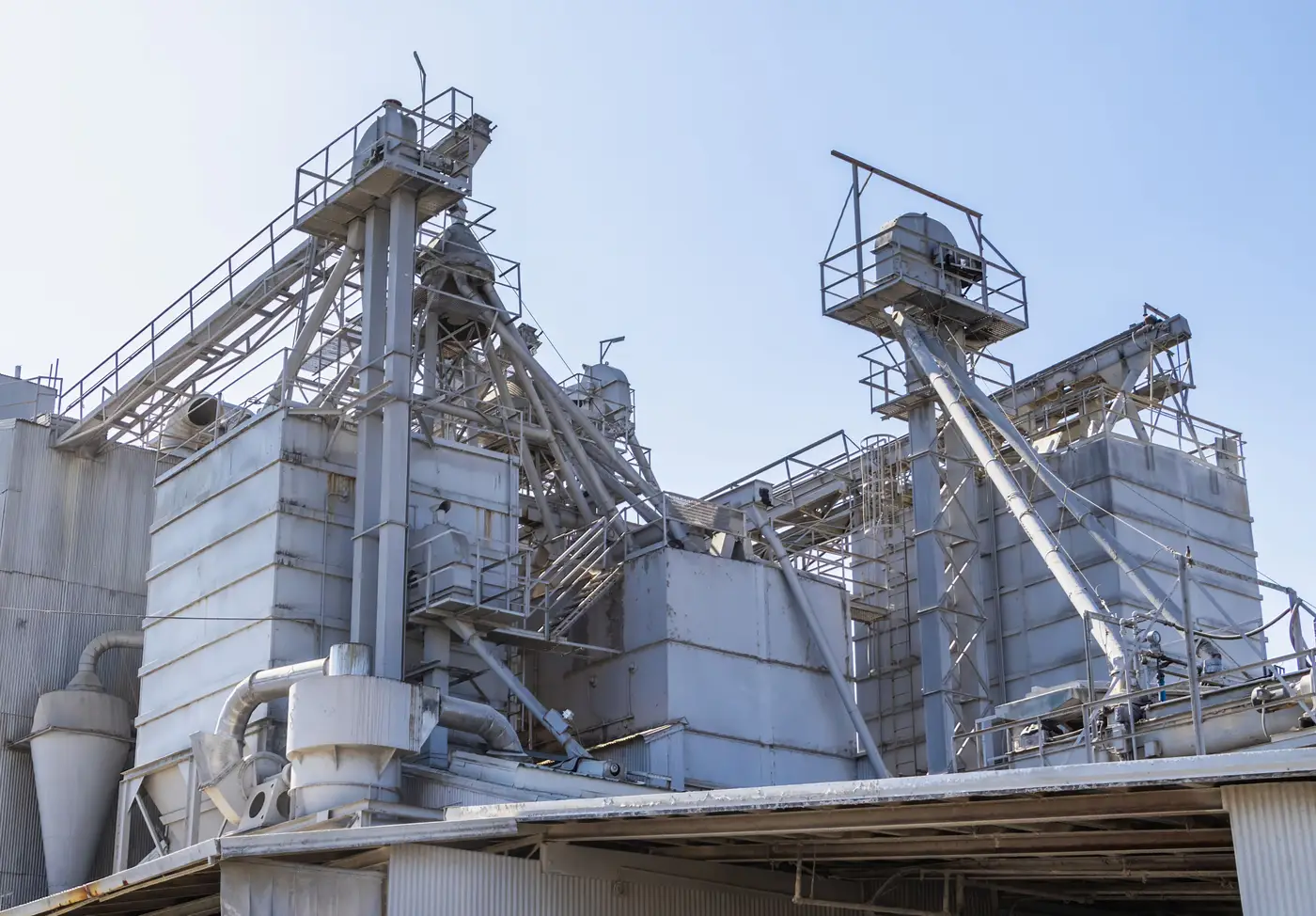
Drag slat conveyors don't get much airtime in sales conversations. A lot of attention goes to drum capacity, burner BTUs, or silo tonnage. But if you've ever pulled a plant's general arrangement drawing apart to figure out why its rated output doesn't match what it's running day to day, the slat conveyor is usually where the math falls apart.
What a drag slat conveyor is doing at an asphalt plant
A drag slat conveyor, sometimes called a drag chain conveyor or just "the slat," is the piece of steel between the drum mixer or pugmill and the hot mix silo. Two parallel chains pull a series of steel slats through a trough, dragging hot mix up an incline from the discharge point at the drum to the top of the silo tower. Some plants run a second slat for RAP, carrying reclaimed asphalt pavement from the crushed RAP bin into the drum's recycle collar.
It's not glamorous equipment. It doesn't show up in the brochure photo the way a drum or a bank of silos does. But it's the only path hot mix has between where it's made and where it's stored, which makes it a hard ceiling on throughput whether anyone designed it that way on purpose or not.
Why the slat conveyor is usually the real bottleneck
A plant can have a 400-ton-per-hour drum and a brand-new silo, and still cap out well below rated output because the slat conveyor feeding that silo was sized for a smaller drum ten or fifteen years ago. Width, chain speed, and incline angle all set a maximum tons-per-hour the conveyor can move before material spills over the side or the drive overloads. When a plant owner finally does a capacity upgrade, the drum and the silo get the press release. The slat conveyor has to come along for the ride, or the new silo never fills at the rate it's rated for.
That's the part that matters for anyone scoping a territory. A plant running an old, undersized slat conveyor against a recently added silo is sitting on a known constraint, acknowledged or not. A plant where the silo and the conveyor path moved together is a different lead entirely, and usually a colder one.
Why you can see the silo change but not the conveyor
A drag slat conveyor runs at a steep incline, is often shrouded or enclosed against weather, and sits low against the rest of the plant structure. It almost never shows up clearly from the air, and even a site visit usually means squinting at an angled steel tube from forty yards past the scale house.
Silos tell a different story. They're tall, distinct, and a new one, or a new bank of them, shows up clearly overhead. Stockpile footprint on the aggregate and RAP side tells a similar story. Because plants rarely upsize a silo without also touching the conveyor that feeds it, a change in silo count or hopper configuration from one year's pass to the next works as a reasonable conveyor capacity signal, even when the conveyor itself never appears in the frame.
That gap is exactly what a plant-by-plant silo and stockpile tracker built for territory mapping is for. A BD team trying to narrow a hundred-plant territory down to the fifteen that are due for a capacity upgrade can't see the slat conveyor from a satellite pass. But they can see the silo it feeds, and a year-over-year change there is worth a call before a cold one.
If you'd rather start from a mapped list than a phone book, that's the whole point of Asphalt Plant Mapping.