Field notes: the plant that showed up on nobody's call list for six years
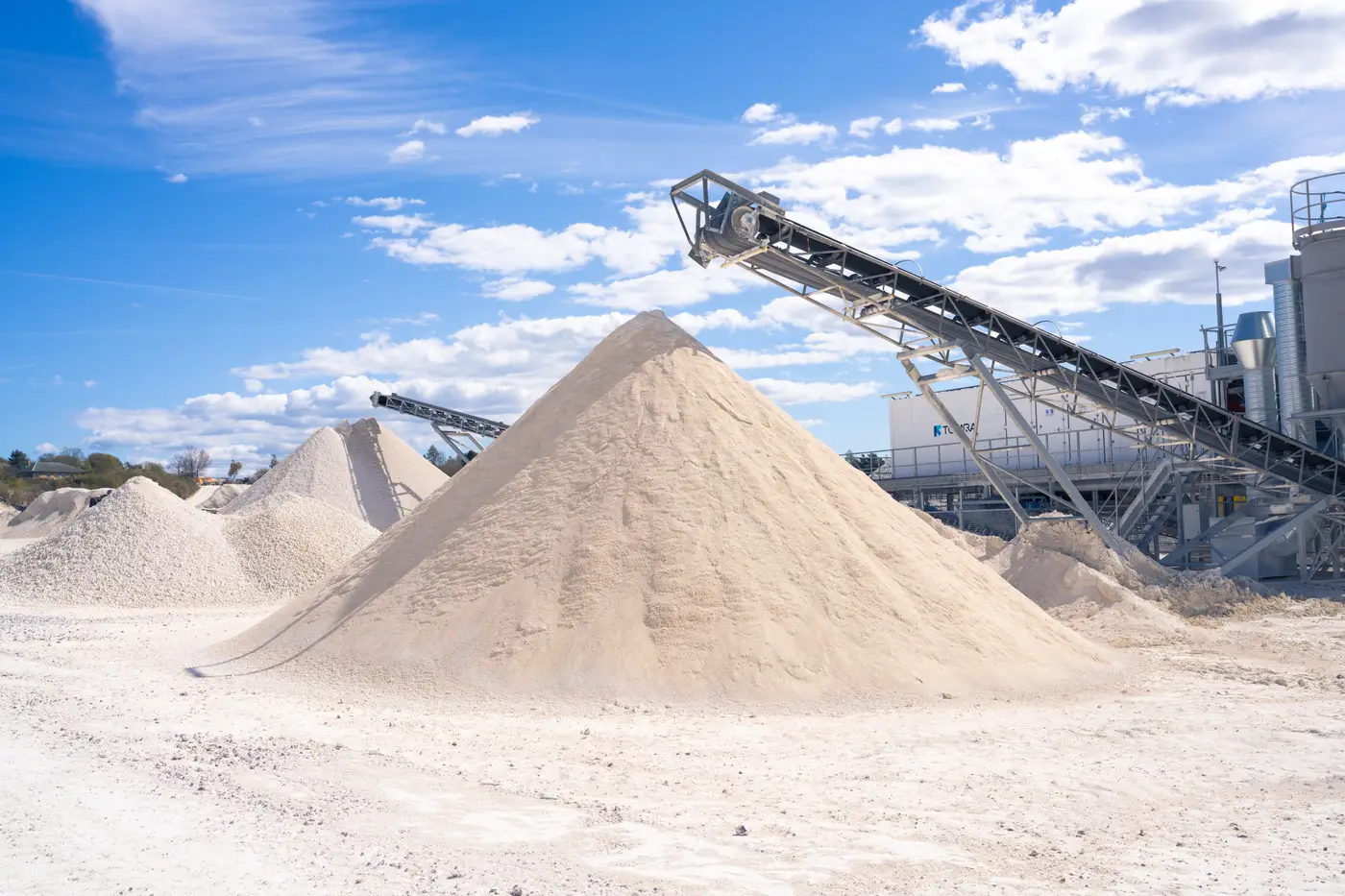
A territory review in the Southeast turned up a plant off a county road that hadn't been touched by anyone on the BD team since 2020. Not flagged as dead, not flagged as anything. It just sat in the CRM with a note from a rep who'd left the company three sales cycles ago, and nobody picked it back up.
That happens more than anyone likes to admit. A territory is only as current as the last person who drove past it, and reps leave, get reassigned, or quietly decide a plant isn't worth the gas money after two cold calls that went nowhere. The account doesn't get closed out. It just stops getting touched. Six years later it's still sitting there, technically open, practically invisible.
When someone finally pulled satellite imagery on the site as part of a broader territory sweep, the plant had a second silo that wasn't in any file anywhere, and a stockpile pad that had roughly doubled. Whoever owns that operation had been producing more, or at least storing more, for long enough to justify pouring new pad and setting a second vessel. Nobody on the vendor side knew. The plant wasn't hiding. It just wasn't on anyone's radar, and a radar that only pings when the phone rings has a blind spot the size of every operator who doesn't call back.
This is the part of the job that doesn't make it into the pipeline reports. A lot of capacity signal in this business has nothing to do with who answers the phone. An owner-operator with two plants and no procurement department isn't going to call a rep to announce they added a silo. They're going to pour the pad, order the vessel, and keep running mix. The upgrade shows up in the ground before it shows up in anyone's notes, if it shows up in notes at all.
The plants that are loudest on a call list tend to be the ones already tied into a national account structure, where somebody's job is to field vendor calls and fill out a capex survey once a year. The plants that go quiet are usually the opposite: independent, lean, running on relationships with a handful of contractors, no reason to pick up a number they don't recognize. Those are exactly the accounts most likely to drop off a stale CRM and exactly the ones where a silo or a stockpile addition is the only signal anyone's going to get.
That's the case for treating imagery as part of the territory file instead of a one-time research exercise. A yearly pass over every plant in a region, logged against the same list each time, catches the stockpile pad that grew and the silo that appeared whether or not the owner ever picked up a phone. Asphalt Plant Mapping is built around exactly that comparison: a mapped list of plants with current silo and hopper counts and stockpile footprint, with a change note once a second year of imagery exists, so the plant nobody's called since 2020 still shows up as a lead instead of a line item nobody remembers writing.
The six-year gap on that one account wasn't a failure of effort. Someone called the plant twice in 2019, got nothing, and moved on to accounts that answered. That's a reasonable use of a rep's week. It's just not a substitute for something that checks the ground every year regardless of who's picking up the phone.
Worth a look before the next territory review turns up another one that's been sitting there the whole time.