How old is too old for an asphalt plant before it needs replacing?
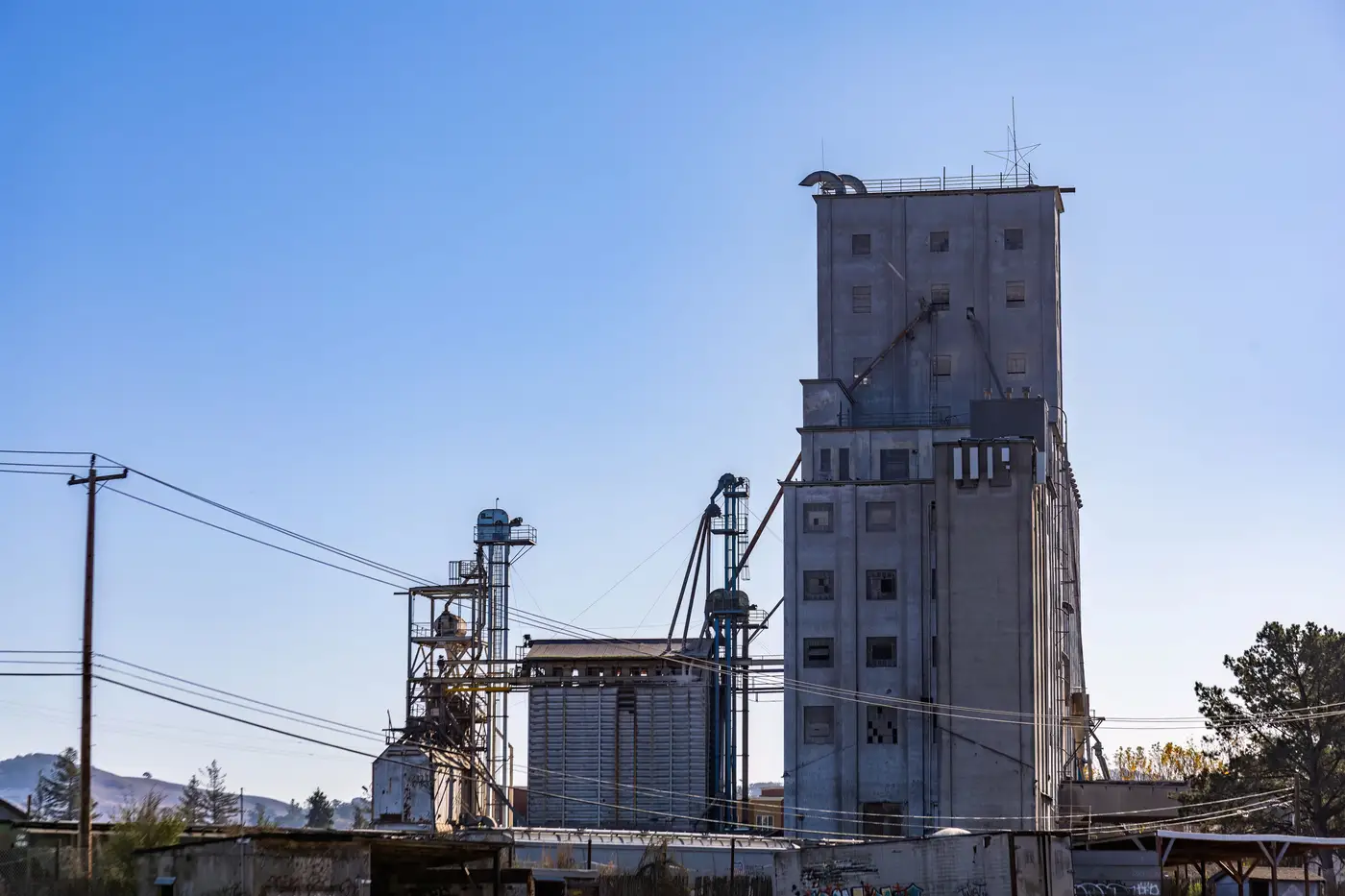
There's no magic birthday for a batch or drum plant. Plenty of counterflow drums built in the 1980s are still making mix every season, and plenty of ten-year-old plants are already bottlenecked. If you're trying to figure out when a plant actually gets swapped out, the build year on the data plate tells you less than you'd think.
Age isn't the number that matters
Steel holds up. A well-maintained drum shell, a rebuilt burner, a re-lined mixer, these can carry a plant 30 or 40 years past commissioning. What wears out faster is everything around the drum: the control panel, the dust collection system, the scale house electronics. A plant running a control system from the early 2000s can be mechanically sound and still unable to log the data a DOT inspector wants to see, or unable to hit the tighter emissions numbers that came in with a newer baghouse spec.
So the honest answer to "how old is too old" is: it depends which part of the plant you're asking about. A producer might rebuild the burner and re-skin the drum twice before they ever touch the silos. Mixer internals and silos are usually the last things replaced, not the first, because they're the most expensive to swap and the easiest to patch.
What actually triggers a replacement decision
A few things push a plant owner from "keep patching it" to "sign the order":
- Capacity ceiling. The plant can't keep up with the paving season anymore. Crews are waiting on trucks, or the producer is turning down tonnage they could otherwise sell. This is usually the real trigger, not age on paper.
- Downtime cost. Unscheduled shutdowns during peak season cost more than the parts. Once a plant owner starts tracking lost production hours against a new plant's payback period, the math shifts fast.
- Spec changes. New mix designs with higher RAP content, warm-mix additives, or balanced mix design requirements can outrun an older plant's feed system, even if the drum itself runs fine.
- Silo or hopper limits. A plant with two or three undersized silos can't load trucks fast enough to match a bigger drum, so the silo count itself becomes the bottleneck even when the mixer has room to grow.
None of these show up neatly as a replacement cycle in years. A busy DOT corridor plant might turn over its silo and hopper setup every 12 to 15 years because volume keeps climbing. A rural plant running one shift a day might keep the same configuration for 25 years because demand never outgrew it.
Why plant age shows up in silo count before anything else
Here's the part that's useful if you're trying to spot replacement candidates from outside the fence line: when a producer does upgrade capacity, the first thing that visibly changes is almost always the silo and hopper configuration, and often the stockpile footprint right alongside it. A plant that's been running the same two silos since the Reagan administration and suddenly adds a third, or doubles its stockpile area, just told you something about what kind of equipment conversation they're having internally. You don't need to get the control room build date off a plate to know that.
That's the gap most BD teams run into. You can call a plant and ask when they bought their last burner, or you can look at what's physically sitting on the lot and track whether it changes year over year. A mapped, plant-by-plant view of silo count and stockpile size across a territory does the second thing at scale, without a cold call to every producer on the list.
If you're trying to build a replacement-need list for a region instead of guessing plant by plant, that's exactly the view Asphalt Plant Mapping is built to give you.